How to Prevent Rust on a Dock Lift Exposed to Rain?

Time:2026-11-11 Author:Charlotte
0%

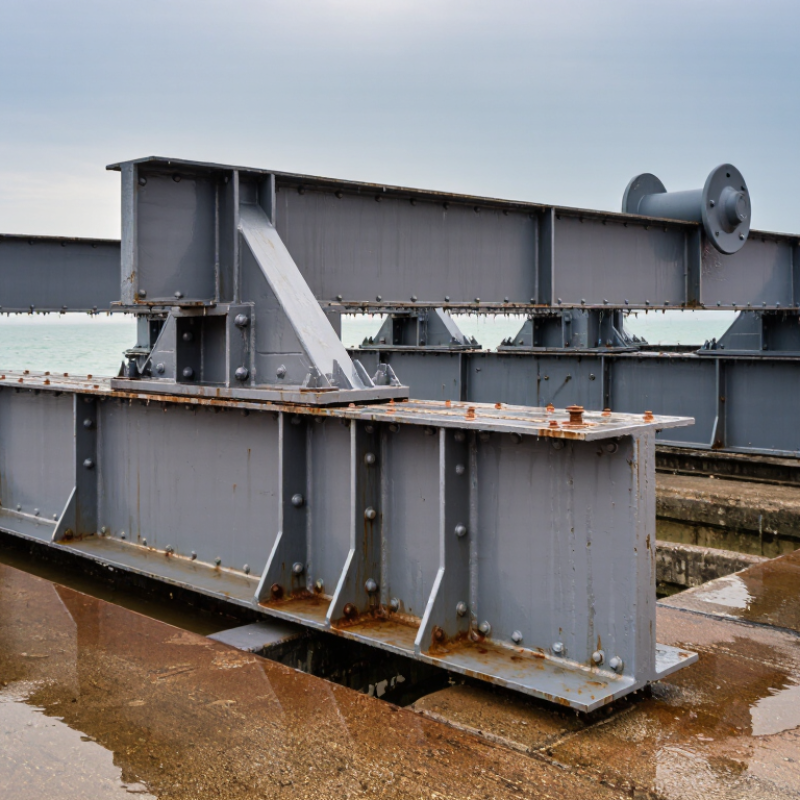
Rain reaches a dock lift from above, but corrosion often starts where water remains unseen. It collects around welds, hinge pins, fasteners, and beneath chipped paint. Repeated wet-and-dry cycles leave oxygen and moisture at the steel surface; coastal salt can make the problem worse. A lift may still operate while corrosion quietly reduces its service life.

The NACE IMPACT study, published in 2013, estimated global corrosion costs at US$2.5 trillion annually, or about 3.4% of global GDP. It also estimated that better corrosion-control practices could save 15–35% of those costs. These figures cover many industries, not dock lifts alone, but they show why routine prevention matters. ISO 9223 provides a framework for classifying atmospheric corrosivity, including exposure conditions that influence metal loss. For owners and maintenance teams, the practical question is: “How to prevent rust on a dock lift exposed to rain?” A sound approach starts with frequent visual checks, prompt freshwater rinsing where salt is present, and repair of damaged protective coatings. Pay close attention to drain paths and sheltered joints. Keep inspection records, too. Small details count. Still, a checklist cannot reveal every hidden corrosion pocket, and no coating lasts forever. This guide introduces realistic inspection and maintenance steps, while recognizing that local exposure, lift design, and the manufacturer’s instructions should shape the final plan.
How to Prevent Rust on a Dock Lift Exposed to Rain?

Identify Rust Risks and Vulnerable Areas on a Rain-Exposed Dock Lift

Rain does not wet every part of a dock lift equally. Water collects around deck seams, welds, hinge plates, and bolt heads, where narrow gaps slow drying. Look closely. Check the underside of the platform, especially where mud or leaves can hold moisture against the steel. Rust often begins as a small orange spot beneath chipped paint or a blistered coating.

Inspect pivot pins, brackets, and the bases of support posts for rough patches or flaking metal. Pay attention to hydraulic cylinder rods: corrosion or pitting on a rod can damage its seal as the lift moves. Keep the lift secured and follow its operating instructions before inspecting moving parts. A flashlight and small inspection mirror can reveal areas hidden behind braces. Water hides there.

After heavy rain, note any puddles that remain and check nearby drain paths for blockages. Salt carried by coastal air can speed corrosion, even when surfaces look dry. Wipe away loose dirt before judging a stain; a brown mark may be grime, not rust. Still, that distinction is easy to get wrong. Record new spots with their location and date, then monitor whether they spread or return after cleaning.

Clean the Dock Lift and Remove Existing Rust

Rain leaves more than visible droplets on a dock lift. Salt, grit, and trapped water can collect around hinges, welds, bolt heads, and the underside of the platform. Lower the lift safely and disconnect power according to its operating instructions. Rinse away salt and dirt with fresh water, then use mild detergent and a soft brush. Pay attention to seams and drainage points. Dry the metal thoroughly with clean cloths and allow hidden areas to air-dry. Small details matter. A wet bolt recess can keep rust active after the broad surfaces look clean.

For existing rust, remove loose flakes with a non-metallic abrasive pad or a tool approved for the lift’s coating. Avoid aggressive grinding; it can thin protective metal or damage nearby seals. Wipe away residue, let the surface dry, and apply a compatible corrosion-resistant primer and topcoat. Check deep pits, cracked coatings, and rust near load-bearing welds carefully. A surface repair may not be enough there. The NACE International IMPACT study estimated corrosion costs at US$2.5 trillion annually, or 3.4% of global GDP, and reported potential savings of 15–35% through corrosion-control practices. That figure covers many industries, not dock lifts alone, but it shows why routine cleaning and prompt rust removal are worth the effort. It is tempting to stop when orange stains disappear; inspect again after the next rain.

Apply a Suitable Corrosion-Resistant Protective Coating

Rain and splash water can collect around a dock lift’s welds, hinge plates, and bolt heads. These narrow seams often rust before broad, exposed panels. Small gaps matter. Salt carried in rain or spray can accelerate corrosion, so wash contaminated steel with fresh water before coating.

The AMPP 2016 IMPACT study estimated corrosion costs at US$2.5 trillion worldwide each year, about 3.4% of global GDP.

It also estimated that better corrosion management could save 15–35% of those costs. These figures cover many industries, not dock lifts alone, but they show why coating preparation deserves attention.

For carbon-steel parts, select a coating system rated for the lift’s exposure and compatible with its existing finish. A common system uses a zinc-rich primer, an epoxy barrier coat, and a UV-resistant polyurethane topcoat. Follow the coating specification for surface cleanliness, film thickness, temperature, and recoat time.

In practice, preparation is easy to rush. Remove loose rust, grease, and salts, then coat only when the steel is dry. Let each layer cure as specified.

Not instantly.

Mask bearings, sliding surfaces, and electrical contacts unless their specifications require coating. After rain, inspect edges and fasteners for chips or water traps, and repair defects promptly.

A glossy finish can reassure, but appearance alone cannot confirm coating thickness or adhesion.

Inspect Seals, Fasteners, and Drainage for Water Exposure

Rain can work past worn seals and sit around a dock lift’s joints. After a storm, park the lift in its designated position and inspect it only when the platform is secure. Check seal edges for splits, curling, or sections pulled away from the frame. Look for damp grit, water trails, or fresh orange staining nearby. Small gaps matter. A quick visual check can miss a hairline crack, so one dry inspection is not proof that a seal is sound.

Examine exposed fasteners, especially around hinges, brackets, and the lift’s base. Rust-colored streaks, flaking metal, or a bolt that has shifted may signal trapped moisture or movement. Do not simply paint over corrosion; that can hide worsening damage. Keep fasteners clean, and have loose or badly corroded parts assessed by a qualified technician. Follow the equipment maker’s maintenance instructions, and never reach beneath an unsupported platform.

Drainage deserves equal attention. Clear leaves, mud, and compacted debris from channels and drain openings so rainwater can escape instead of pooling near steel parts. Check the ground around the lift, too; a slight low spot can hold water against the frame for hours. If water remains after nearby surfaces dry, note where it collects and arrange a closer inspection. Don’t guess at the cause. Regular checks after heavy rain help reveal patterns before rust spreads.

How to Prevent Rust on a Dock Lift Exposed to Rain

Inspect seals, fasteners, and drainage to identify places where rainwater can enter or remain.

The bars count items in this practical inspection checklist, not measured corrosion incidents. Check seals for gaps or cracks, fasteners for rust or looseness, and drainage paths for standing water or blockages. Clean and dry affected areas, then repair damaged protective coatings.

Maintain the Lift with Regular Cleaning and Protective Touch-Ups

Rain leaves more than visible droplets on a dock lift. Salt, dirt, and damp leaves can hold moisture against steel, especially around welds, bolt heads, and the waterline. Regular cleaning helps remove these deposits before rust spreads. It is simple work. It is also easy to postpone.

Rinse exposed surfaces with fresh water, then use a soft brush and mild soap to loosen grime. Keep water away from electrical connections, and follow the lift’s maintenance instructions. Dry the metal with a clean cloth where practical, paying attention to seams and shaded areas. Check the frame, fasteners, and underside for bubbling paint, orange spots, or scratches. A quick look after heavy rain can catch small damage early.

For a bare or chipped area, remove loose rust with a suitable hand tool, without grinding into sound metal. Clean and fully dry the spot before applying a primer and outdoor coating compatible with the existing finish. Thin, careful touch-ups usually adhere better than paint applied over damp dirt. Let each coat cure as directed. I may miss a hidden edge on the first pass; checking again in good light is worthwhile. Don’t ignore recurring rust. It can point to trapped moisture, worn coating, or a part that needs professional inspection.

FAQS

How should I clean a dock lift after rain?

Rinse away salt and grit with fresh water. Use mild soap and a soft brush around hinges, welds, and bolt heads. Dry the metal thoroughly. Small details matter.

What should I do before inspecting or cleaning the lift?

Lower and secure the lift as directed in its operating instructions. Disconnect power as instructed. Never reach beneath an unsupported platform.

How can I remove existing rust safely?

Remove loose flakes with a suitable non-metallic pad or approved hand tool. Avoid aggressive grinding, which can damage protective coatings or metal. Clean and dry the area before applying compatible primer and outdoor paint.

What signs of water damage should I check after a storm?

Look for split or curled seals, damp grit, water trails, orange stains, and bubbling paint. Check around hinges and brackets. One dry inspection may miss a hairline crack.

How can I tell if fasteners need attention?

Watch for rust streaks, flaking metal, or bolts that have shifted. Don’t cover corrosion with paint. Have loose or badly corroded parts assessed by a qualified technician.

How do I stop rainwater from pooling near the lift?

Clear leaves, mud, and compacted debris from drain openings and channels. Check for low spots beside the frame. Note where water remains after nearby surfaces dry.

How often should I check the lift’s coating?

Inspect the frame, fasteners, and underside after heavy rain and during regular cleaning. Touch up chipped areas only after removing loose rust and fully drying the metal. It’s easy to postpone.

When should rust get professional attention?

Arrange an inspection for deep pits, recurring rust, cracked coatings, or corrosion near load-bearing welds. A small surface repair may not be enough. I might miss a hidden edge, so check again in good light.

Conclusion

How to prevent rust on a dock lift exposed to rain? Start by identifying areas most likely to hold moisture, such as joints, welds, fasteners, moving parts, and damaged paint. Clean the lift regularly to remove dirt, salt, and debris, then dry it thoroughly. If rust is already present, remove it carefully and prepare the affected surface before applying a suitable corrosion-resistant coating. Follow the coating instructions and ensure the surface is clean and dry for proper coverage.

Prevention also depends on keeping water from entering or pooling around vulnerable components. Inspect seals and fasteners for wear, and check that drainage paths remain clear. After heavy rain or routine cleaning, look for standing water, coating damage, or early signs of corrosion. A consistent maintenance schedule, including regular washing, inspections, and prompt protective touch-ups, can help reduce rust and extend the dock lift’s service life.

Charlotte

Charlotte

Charlotte is a seasoned marketing professional with a deep understanding of the company's portfolio and a passion for elevating its presence in the market. With a keen eye for detail and a commitment to excellence, she ensures that our professional blog is regularly updated with insightful articles......