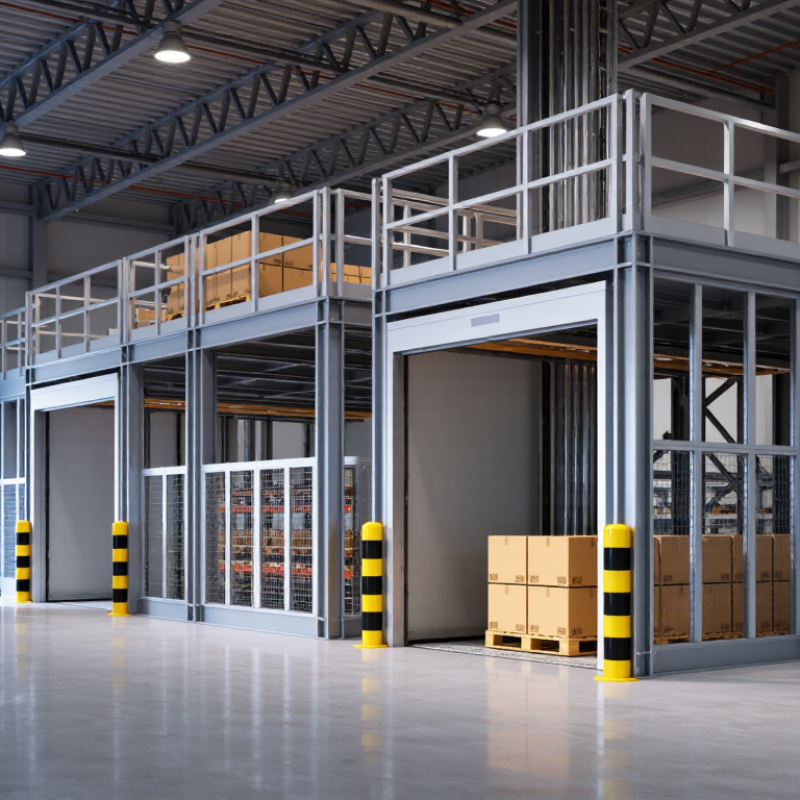
How to Choose a Cargo Lift Size for a 2 Story Factory?

Time:2026-09-20 Author:Amelia
0%

Choosing a cargo lift for a two-story factory is not simply a matter of matching the heaviest pallet to a rated capacity. The better question is, “What size cargo lift do I need for a 2-story factory?” The answer depends on pallet dimensions, forklift access, travel distance, loading frequency, and the factory’s daily rhythm. A lift that carries 2,000 kilograms may still be unsuitable if its platform cannot accept a standard pallet safely.

Lift-industry consultant Dr. Gina Barney offers a useful principle: “The lift is part of the building’s traffic system, not an isolated machine.” That view changes the design process. Measure the largest load, including its packaging and handling equipment. Then allow space for safe clearance and door movement. Record peak-hour traffic, not only the average shift. A quiet afternoon can hide a serious bottleneck.

Platform size matters greatly. A 2.5-by-2.5-meter platform may suit compact pallets, while longer machinery needs a deeper cabin. Door position also affects loading efficiency. Through-loading can save awkward turning inside a narrow factory aisle. It may also increase installation complexity.

Experience shows that undersizing creates delays, damaged goods, and unsafe improvisation. Oversizing wastes floor space and energy. Neither choice is ideal. The first estimate may be wrong.

This guide explains how to calculate capacity, platform dimensions, lifting speed, and landing requirements. It also highlights practical details that specification sheets often miss. Final equipment selection should be checked by a qualified lift engineer and the relevant local safety authority.

How to Choose a Cargo Lift Size for a 2 Story Factory?

Define Factory Cargo Lift Loads, Dimensions, and Usage Requirements

Choosing a cargo lift for a two-story factory starts with accurate load information. Do not rely on estimated pallet weights. Record the heaviest product, container, trolley, and operator together. Add a practical safety margin, because real production rarely follows ideal schedules.

Measure every item that enters the lift. Note its length, width, height, and turning radius. The platform must hold the largest load without blocking the doors. Check floor openings, ceiling height, loading dock levels, and available machine-room space. A qualified lift engineer should verify structural support, travel distance, stopping accuracy, and required safety systems.

Tips: Watch peak traffic, not average traffic. Count trips during busy shifts. Consider whether forklifts or hand trucks will enter the cabin. Protect doors and controls from impacts. Keep a clear record of unusual loads.

Usage affects the design as much as weight does. A lift serving light cartons may need different duty performance than one moving steel parts all day. Specify trips per hour, operating hours, loading method, and expected future growth. Recheck these assumptions after production changes. Our plans can be wrong, especially when temporary storage becomes permanent. Fresh measurements prevent an expensive mismatch.

Assess Building Layout, Shaft Space, and Two-Story Travel Distance

How to Choose a Cargo Lift Size for a 2 Story Factory?

Choosing a cargo lift starts with the building layout, not the rated load alone. Walk the full route from loading bay to upper-floor storage. Note columns, fire doors, drainage lines, and low ceiling beams. A pallet may fit inside the cabin but fail at the entrance. Measure twice. Space disappears quickly.

The shaft must allow the platform, guide rails, counterbalance system, and safe maintenance clearance. Leave room for doors to open without blocking forklift paths. Check the pit depth and overhead height before selecting equipment. These dimensions often limit lift size more than the cargo weight.

For a two-story factory, measure the vertical travel between finished floor levels. Include any raised platforms or uneven slabs. A longer travel distance may require extra stopping accuracy and greater installation space. It can also affect loading time during busy shifts.

In practice, record the largest pallet, its turning radius, and the handling equipment used beside it. Then add clearance for uneven wrapping or protruding materials. I have seen layouts fail because plans used ideal pallet dimensions. Real cargo is rarely perfect. Confirm shaft measurements on site, and compare them with certified technical drawings. A qualified lift engineer should verify structural loads, emergency access, ventilation, and local safety requirements before construction begins.

Match Lift Capacity, Platform Size, and Door Configuration to Operations

How to Choose a Cargo Lift Size for a 2 Story Factory?

Selecting a cargo lift starts with the real load, not the heaviest item on paper. Add pallets, containers, tools, and the lifting cage to the payload. A 2,000-kilogram rating may be insufficient when equipment rolls in unevenly. Uneven loading matters.

Measure the largest load in its normal travel position. Then allow space for a pallet jack to enter, turn, and stop safely. A tight platform can slow every delivery. It can also encourage workers to place loads beyond the center. I have seen layout drawings look efficient, yet fail when a wide crate reaches the doorway. Leave practical clearance, not merely theoretical clearance.

Door configuration should match traffic flow between floors. Opposite doors support straight-through movement and reduce turning effort. Adjacent doors may suit a corner layout but require more maneuvering space. Check the open-door area, overhead clearance, landing alignment, and floor strength. Door width must accommodate the widest load and its handling equipment. Safety interlocks and controlled access should be specified with a qualified lift engineer. Local building and workplace requirements also need verification.

Review actual shift patterns before fixing the size. A smaller platform may handle today’s cartons but restrict future machinery. A larger lift costs more space and structure. That trade-off deserves careful discussion. Test the proposed dimensions with a simple full-size floor marking. It often reveals problems that drawings hide.

Compare Lift Types, Safety Features, and Installation Requirements

How to Choose a Cargo Lift Size for a 2 Story Factory?

Choosing a cargo lift starts with the load, not the building height. Record the heaviest pallet, its dimensions, and the equipment used for loading. Add clearance around fragile or uneven loads. A 2,000-kilogram lift may fail operationally if its platform cannot fit a pallet jack safely. Measure traffic frequency too. Occasional movement may suit a hydraulic freight lift, while repeated cycles can favor a traction system. Hydraulic units often need less overhead space, but they require suitable machinery and maintenance access. Traction lifts may offer smoother high-frequency service, yet their shaft and overhead needs can be greater.

Safety details deserve direct attention. Specify full-height landing gates, mechanical interlocks, emergency stops, overload protection, and upper and lower limit switches. Guardrails and toe boards can prevent falling materials at open edges. Audible alarms and clear load markings help during noisy shifts. Do not assume a larger rated capacity makes a lift safer. Poorly balanced pallets remain dangerous. People should not ride a cargo-only lift unless it is specifically designed and approved for passengers.

Installation planning often exposes hidden costs. Check pit depth, overhead clearance, floor loading, shaft dimensions, power supply, drainage, and fire-rated separation. Existing slabs may need structural review before cutting. A qualified engineer should verify the building and local inspection requirements. Keep service access around the drive equipment. I would recheck door widths and turning space on site; drawings can miss a column by a few centimeters. A rushed layout creates daily delays. That mistake is easy to underestimate.

Verify Codes, Maintenance Needs, and Long-Term Operating Costs

How to Choose a Cargo Lift Size for a 2 Story Factory?

A cargo lift must fit the work, not just the building opening. Record the heaviest load, average pallet size, trolley width, and daily traffic. Add space for uneven loading and workers positioning goods safely. A 2,000-kilogram rating may fail if the platform cannot handle a long machine part. Measure both floors, including pit depth, overhead clearance, landing space, and door swing areas.

Verify local lifting, structural, electrical, and fire-safety codes before selecting equipment. Requirements can affect guarding, landing gates, emergency controls, rated load signs, and inspection intervals. Ask a qualified inspector to review drawings early. Missing a clearance detail can create expensive concrete changes. My early estimates often focused too much on capacity. That was a mistake.

Maintenance planning should begin with the quotation. Check access to motors, controls, guide systems, safety devices, and manual lowering equipment. Request a service schedule based on cycles, not only calendar months. Track inspection results, faults, repair time, and replacement parts in a simple log. Long-term operating costs include electricity, lubrication, inspections, training, downtime, and floor repairs. A cheaper lift can cost more when one failed component stops production for two shifts. Keep a realistic allowance for unexpected repairs. Spreadsheets can still lie.

How to Choose a Cargo Lift Size for a 2 Story Factory? - Verify Codes, Maintenance Needs, and Long-Term Operating Costs
Lift Size Option Rated Load Typical Platform Size
(W × D)
Typical Clear Door Opening
(W × H)
Typical Lift Speed Suitable Factory Use Code and Planning Checks Recommended Maintenance Frequency Estimated Annual Energy Cost* Estimated Annual Maintenance Cost* Estimated 10-Year Operating Cost*
Compact Material Lift 2,000 lb
(907 kg)
4 ft × 5 ft
(1.2 m × 1.5 m)
3 ft × 7 ft
(0.9 m × 2.1 m)
20–30 ft/min
(0.10–0.15 m/s)
Small pallets, cartons, tools, spare parts, and light production materials. Confirm that the equipment is approved for material-only service. Verify guardrails, interlocked gates, emergency stops, shaft protection, landing protection, and local electrical requirements. Monthly operational checks; quarterly service inspection; annual safety inspection by a qualified technician. $250–$550 $1,200–$2,200 $15,000–$28,000
High-Capacity Pallet Lift 6,000 lb
(2,722 kg)
6 ft × 8 ft
(1.8 m × 2.4 m)
5 ft × 7 ft
(1.5 m × 2.1 m)
15–25 ft/min
(0.08–0.13 m/s)
Heavy pallets, loaded carts, metal components, bulk containers, and frequent forklift-assisted loading. Verify structural support at each landing, concentrated wheel loads, approach space, loading impact protection, gate interlocks, rated capacity signage, and the suitability of the building foundation and pit. Monthly checks; monthly or quarterly lubrication depending on duty cycle; quarterly preventive maintenance; annual safety inspection. $650–$1,300 $2,500–$4,500 $31,000–$55,000
Extra-Large Industrial Lift 8,000–10,000 lb
(3,629–4,536 kg)
7 ft × 10 ft
(2.1 m × 3.0 m)
6 ft × 8 ft
(1.8 m × 2.4 m)
10–20 ft/min
(0.05–0.10 m/s)
Oversized pallets, heavy machinery parts, large molds, industrial carts, and high-impact loading operations. Obtain a detailed structural review. Confirm pit and overhead dimensions, slab reinforcement, equipment anchoring, traffic separation, fire and egress requirements, emergency lowering, and local authority approval. Monthly checks; monthly lubrication; quarterly preventive maintenance; annual inspection; additional inspections for intensive or multi-shift use. $900–$1,800 $3,500–$6,500 $44,000–$79,000
Planning note: Cost ranges are budgetary estimates in U.S. dollars for a two-story, material-only lift operating approximately 8 hours per day and 250 days per year. They exclude purchase, installation, structural modifications, permits, inspections, taxes, freight, major repairs, and replacement parts. Energy costs assume commercial electricity of approximately $0.12–$0.20 per kWh. Final dimensions, capacity, guarding, inspection intervals, and permitted use must be confirmed with the local authority having jurisdiction and the applicable current elevator, material-lift, building, fire, electrical, and workplace-safety codes.

FAQS

What should be measured before choosing a cargo lift size?

Measure the largest pallet, its turning radius, and the loading equipment. Check columns, fire doors, beams, and drainage lines. Measure twice.

Can a pallet fit inside the lift but fail at the entrance?

Yes. The cabin may fit the pallet, while the landing doorway blocks it. Include wrapping, protruding materials, and turning clearance.

How much shaft space does a two-story cargo lift need?

The shaft must fit the platform, guide rails, counterbalance system, and maintenance clearance. Also check door swing, pit depth, and overhead height. Space disappears quickly.

Does cargo weight determine the lift size?

No. Weight matters, but platform dimensions and handling space can limit daily use. A high-capacity lift may still reject a pallet jack.

How does travel distance affect lift selection?

Measure the finished floor levels, including raised platforms and uneven slabs. Longer travel may require better stopping accuracy and more installation space.

Which lift type suits frequent factory movement?

Occasional movement may suit a hydraulic system. Repeated cycles may favor a traction system, though its shaft and overhead needs can be larger.

What safety features should a cargo lift include?

Specify landing gates, mechanical interlocks, emergency stops, overload protection, and limit switches. Guardrails, toe boards, alarms, and load markings add practical protection.

Can workers ride in a cargo-only lift?

No, not unless the equipment is specifically designed and approved for passengers. Keep people away from cargo-only operation. Safety assumptions can fail.

What installation issues are easy to overlook?

Check floor loading, power supply, drainage, fire-rated separation, pit depth, and service access. Recheck door widths on site. Plans can deceive.

Conclusion

Choosing the right cargo lift for a two-story factory begins with understanding the loads, product dimensions, pallet or trolley sizes, and lifting frequency involved in daily operations. Ask, “What size cargo lift do I need for a 2-story factory?” by calculating the heaviest expected load, allowing room for safe handling, and considering whether workers, equipment, or only materials will use the lift. The building layout also matters, including available shaft space, loading areas, floor heights, travel distance, and door positions.

The lift’s rated capacity, platform dimensions, and door configuration should match the factory’s workflow without wasting valuable space. Compare suitable lift types according to speed, installation method, safety systems, accessibility, and structural requirements. Before installation, confirm applicable building and workplace standards, prepare the shaft and power supply, and plan for routine inspections and maintenance. Evaluating energy use, repairs, downtime, and expected service life will help ensure the selected lift remains safe, practical, and cost-effective over the long term.

Amelia

Amelia

Amelia is a seasoned marketing professional with a wealth of expertise in our company’s core offerings. With an unwavering passion for driving growth and innovation, she plays a pivotal role in shaping our marketing strategies and enhancing brand visibility. A key aspect of her responsibilities......