7 Best 3 Phase Hydraulic Lift Power Requirements?

Time:2026-11-04 Author:Liam
0%

A three-phase hydraulic lift depends on more than its motor’s horsepower. The pump, lift capacity, travel speed, and expected duty cycle all affect its electrical needs. What are the power requirements for a 3-phase hydraulic lift? The answer starts with the lift’s nameplate and installation manual, not a guess based on appearance. It depends. Two lifts with similar platforms may use different motors and controls.

This guide examines seven practical power considerations, including supply voltage, motor rating, full-load current, and startup demand. It also explains why the building’s available service matters. A motor rated for one voltage should not be assumed to suit another supply. Check the manufacturer’s specifications, then have a qualified electrical professional assess the circuit, disconnect, and conductor sizing for the actual installation. Small details matter. Long cable runs, frequent starts, and other equipment sharing a circuit can change what works reliably. The breaker alone does not tell the whole story. A lift might run during a brief test yet struggle under regular use. That distinction is easy to miss. The sections ahead help readers compare requirements carefully, spot questions to raise with a supplier, and avoid treating a general estimate as a final electrical design. Exact needs still depend on the specific lift and site.
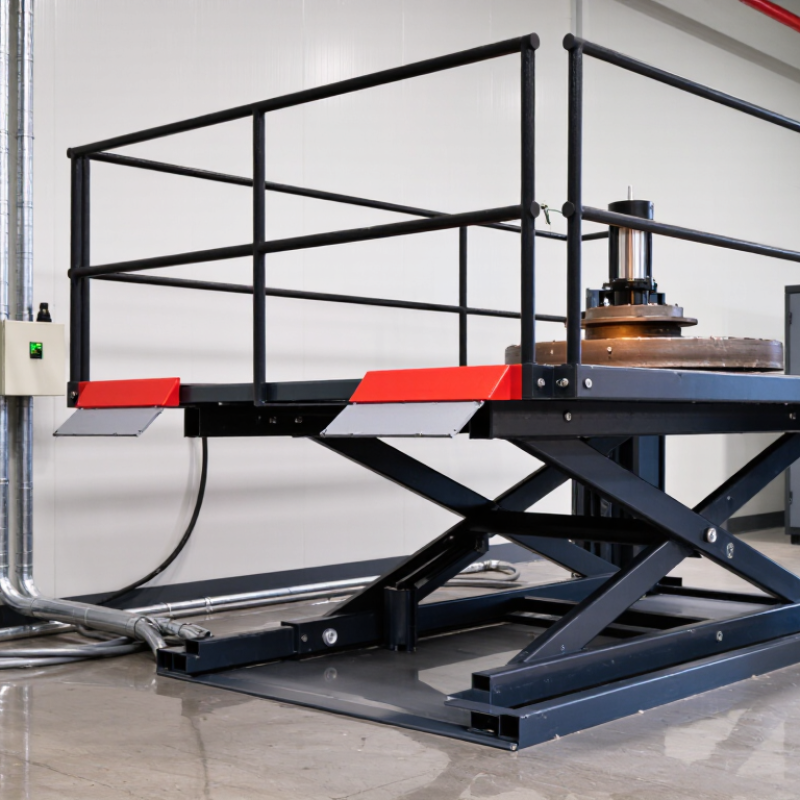
7 Best 3 Phase Hydraulic Lift Power Requirements?

Understanding Three-Phase Power in Hydraulic Lift Systems

Three-phase power supplies hydraulic lift motors with three alternating electrical currents, spaced evenly through each cycle. This creates steady torque, which helps a pump raise a vehicle smoothly under load. Many commercial lifts use three-phase motors, but their exact voltage and current requirements vary. Check the motor nameplate and the lift’s installation manual before choosing a supply. A motor rated for one voltage may not operate safely on another. The breaker, wiring, and disconnect must also match the specified load and local conditions.

One detail is easy to overlook: the motor’s starting current can briefly exceed its running current. An undersized circuit may trip when the pump starts, even if the lift runs normally once moving. Phase loss or incorrect connections can cause poor performance and motor damage. If the lift hums, struggles to raise a load, or trips a breaker, stop using it and arrange an inspection by a qualified electrical or lift technician. I would not treat a successful test with no vehicle as proof of correct sizing; load changes the picture.

Tips: Record the nameplate voltage, phase, and full-load amps. Confirm the supply matches before installation. Have a qualified technician verify wiring and protective devices. Small checks matter.

Key Requirements: Voltage, Frequency, Amperage, and Phase

A three-phase hydraulic lift needs a power supply that matches its motor nameplate. Check voltage, frequency, and phase before installation. Common systems may use 208, 230, 400, or 460 volts, but the correct value depends on the lift and site. Do not assume a nearby outlet is suitable. Three-phase power uses three energized conductors; the equipment also needs correctly sized grounding and protection. Small differences matter.

Frequency matters, too. A motor designed for 60 Hz may run differently on 50 Hz power, affecting speed and performance. Confirm the lift’s rated frequency rather than relying on the building supply alone. Check amperage on the motor label and installation documents. Running current is only part of the picture. Startup can draw more. A rough guess can be wrong. Circuit, disconnect, and overload requirements depend on the motor, wiring, and manufacturer’s instructions. Have a qualified electrician verify them before connecting power.

For a practical check, photograph the nameplate and record its voltage, phase, frequency, and full-load amperage. Compare those details with the available supply and the lift’s wiring diagram. If the values conflict, stop and clarify the requirements. Never change motor connections based on wire color alone; colors and configurations can vary. A little extra checking beats a stalled pump—or a damaged motor.

7 Best 3-Phase Hydraulic Lift Power Requirements

Reference current for common three-phase motor sizes at 230 V and 460 V, 60 Hz.

The values shown are standard motor full-load current references, not a specific lift’s nameplate rating or a circuit-sizing recommendation. Actual requirements depend on the lift’s motor, supply voltage and frequency, and manufacturer specifications. Confirm the equipment nameplate and applicable electrical codes before installation.

How Lift Capacity and Motor Size Determine Power Needs

A hydraulic lift’s power requirement depends on more than its rated lifting capacity. The pump must create enough pressure to raise the load, while its flow rate affects how quickly the platform moves. A heavy lift with a slow cycle may need a different motor than a lighter lift designed for rapid, repeated use. Numbers matter.

For a practical estimate, check the lift’s rated capacity, operating pressure, pump flow, and motor nameplate. Three-phase supply can support steady industrial operation, but voltage and available current must match the motor specifications. Startup current can briefly exceed running current, so supply circuits and protective devices need suitable ratings. Ask a qualified technician to verify these details before installation. A rough calculation can still miss real-world factors, such as long duty cycles or frequent starts.

Tips: Compare motor power and pump flow with the lift’s technical data, not capacity alone. Note the supply voltage, phase, and frequency. If the platform rises slowly under load or the motor runs unusually hot, stop and have the system checked. That simple check is easy to overlook.

Seven Common Three-Phase Power Configurations for Hydraulic Lifts

Three-phase hydraulic lifts commonly use one of seven supply configurations: 208Y/120 V, 230 V, 240 V delta, 380Y/220 V, 400Y/230 V, 415Y/240 V, or 460/480 V. The first number is the line-to-line voltage that typically serves the lift motor. The “Y” indicates a wye system; delta systems have a different wiring arrangement. These labels are not interchangeable. Check the lift’s motor nameplate and wiring diagram before connecting power.

Voltage is only part of the requirement. Frequency, motor horsepower, full-load current, and starting current all affect whether a supply is suitable. A 208 V motor, for example, may draw more current than a similar motor operating at 480 V. That matters. Long cable runs can also cause voltage drop, especially when the pump starts under load. A qualified electrician can verify the supply and select conductors and overcurrent protection to match the equipment documentation.

Regional supply practices differ, and a site may not provide the voltage a lift expects. Some installations also have unusual delta arrangements that should not be identified by wire color alone. Check the plate. If the available voltage or frequency does not match, pause and confirm the correct motor or approved electrical configuration. Guessing from a nearby machine is tempting, but it is not reliable.

Electrical Installation, Protection, and Safety Considerations

A 3-phase hydraulic lift needs a supply matched to its motor nameplate, not a guessed “standard” voltage. Check voltage, phase, full-load current, frequency, and starting method before selecting conductors or protective devices. NFPA 70 (2023), Article 430.22, generally requires motor branch-circuit conductors to have ampacity of at least 125% of motor full-load current. The actual installation still depends on the code tables, temperature rating, wiring method, and local requirements. Small details matter.

Use a lockable disconnect suitable for the motor’s voltage and current, positioned so the lift can be isolated safely. NFPA 70 Article 430.102 addresses disconnect locations; verify the applicable requirements for the controller and motor. Set overload protection using the motor nameplate and Article 430.32, rather than increasing a trip setting just because startup feels slow. Provide equipment grounding, secure terminals, and enclosures rated for the location. A damp service bay changes the installation details.

OSHA’s 29 CFR 1910.303 requires electrical equipment to be installed and used according to its listing and labeling. Before energizing, an electrician should check phase rotation, protective-device ratings, grounding continuity, and voltage under load. Record the readings. A neat panel can still conceal a wrong assumption, especially when an older supply is reused. Recheck the lift manufacturer’s wiring diagram against the actual motor plate; that step is easy to rush.

7 Best 3 Phase Hydraulic Lift Power Requirements? - Electrical Installation, Protection, and Safety Considerations

Lift application Typical hydraulic motor rating Common three-phase supply options Electrical installation considerations Protection and safe operation
Two-post vehicle lift About 2–5 hp (1.5–3.7 kW), depending on capacity and design Common designs are rated for 208–230 V or 460–480 V, three phase Verify the motor nameplate voltage and phase before connecting. Provide a dedicated supply sized for the equipment and local electrical code. Use the specified motor overload and branch-circuit short-circuit protection. Confirm arm locks and mechanical safety devices engage correctly.
Four-post vehicle lift About 2–5 hp (1.5–3.7 kW); configuration and accessories affect the rating Often available in 208–230 V or 460–480 V, three-phase versions Check whether the lift includes a separate pump motor for an optional rolling jack or other accessory. Keep the platform level, engage mechanical locks as instructed, and never rely on hydraulic pressure alone to support a raised load.
Scissor vehicle lift About 2–7.5 hp (1.5–5.6 kW), varying with lift height and platform capacity Supply voltage is model-specific; 208–230 V and 460–480 V three-phase models are common Allow for the specified control circuit and any separate power unit. Protect cables from moving platforms and pinch points. Check safety locks, hose condition, and platform synchronization. Keep personnel clear of the scissor mechanism while it moves.
Alignment lift About 3–7.5 hp (2.2–5.6 kW), with ratings dependent on platform and accessory requirements Typically specified for 208–230 V or 460–480 V, three phase Plan for lift controls and any separately powered alignment equipment. Confirm the supply and disconnect location against the installation instructions. Engage mechanical locks before working beneath a raised vehicle. Keep runways and approach areas unobstructed.
In-ground hydraulic lift About 3–10 hp (2.2–7.5 kW); multi-cylinder or heavy-duty systems may require more Choose only a voltage and phase configuration listed for the specific power unit Coordinate electrical work with pit, drainage, and hazardous-location requirements where applicable. Use equipment suitable for the installation environment. Inspect hydraulic lines and leak containment. Follow the lift’s approved lowering, locking, and maintenance procedures.
Hydraulic loading-dock leveler About 1–5 hp (0.75–3.7 kW), depending on deck size and operating duty Three-phase voltage depends on the selected power unit and facility supply Use an appropriately rated disconnect and wiring method for the dock environment. Account for frequent cycling and exposure to moisture or impact. Use vehicle restraints and the leveler’s safety supports as required. Keep people clear of the pit and moving deck.
Industrial hydraulic platform lift About 3–15 hp (2.2–11.2 kW); load, travel, and duty cycle can change the requirement substantially Common industrial systems use 208–230 V or 460–480 V three-phase power; confirm the equipment rating Check starting-current and duty-cycle requirements, control-panel ratings, and any site-specific machine-safety rules before installation. Provide guarding, interlocks, and emergency-stop functions where required by the design and applicable regulations.

Important: Horsepower and voltage ranges are general planning examples, not equipment specifications. The lift and motor nameplates, manufacturer installation instructions, local electrical code, and a qualified electrician determine the actual conductor sizes, disconnect rating, overcurrent protection, and overload settings. Do not select protection solely from horsepower; motor starting characteristics and applicable code requirements matter.

FAQS

What does three-phase power do in a hydraulic lift?

It supplies three evenly spaced alternating currents. This helps the motor produce steady torque and raise a vehicle smoothly.

How can I check whether the power supply matches the lift?

Read the motor nameplate and installation manual. Compare voltage, phase, and frequency before installation.

Why might a lift trip its breaker when starting?

Starting current can briefly exceed running current. An undersized circuit may trip as the pump starts.

Is a test with an empty platform enough to confirm correct sizing?

No. The motor faces different demands under load. An empty test can give a misleading impression.

What details affect a lift’s power needs?

Capacity matters, but it is not the only factor. Operating pressure, pump flow, lifting speed, and duty cycle matter too.

What should I do if the lift hums or struggles?

Stop using it and arrange an inspection by a qualified electrical or lift technician. Don’t keep testing it under load.

Why does a lift’s platform rise slowly?

Slow movement may relate to the pump, motor, or load. Have the system checked, especially if the motor feels unusually hot.

Which electrical components need checking before installation?

Verify that the breaker, wiring, and disconnect suit the specified load and conditions. Small details are easy to miss.

Conclusion

What are the power requirements for a 3-phase hydraulic lift? They depend on the lift’s capacity, motor size, and the electrical supply available at the installation site. A suitable setup must match the motor’s rated voltage, frequency, phase, and amperage; these details determine whether the motor can start and operate reliably under load. Three-phase supplies come in several common voltage and frequency configurations, so the lift’s specifications should be checked against the site supply rather than assuming one configuration fits every system.

Higher-capacity lifts typically need more motor power, which can increase current demand and affect circuit sizing. Installation planning should also account for appropriate wiring, overcurrent protection, disconnects, grounding, and other safety measures. Reviewing the equipment documentation and having a qualified electrical professional verify the supply and protective devices can help ensure the lift operates safely and consistently.

Liam

Liam

Liam is a dedicated marketing professional with a profound expertise in the industry, where he excels at highlighting the unique advantages of our core products. With a keen understanding of market trends and consumer needs, Liam frequently updates our company’s professional blog, providing......