I can write the introduction, but no source articles or verified expert quotation were provided. To avoid inventing an expert or attributing a false quote, please share a source or the expert’s name and statement.
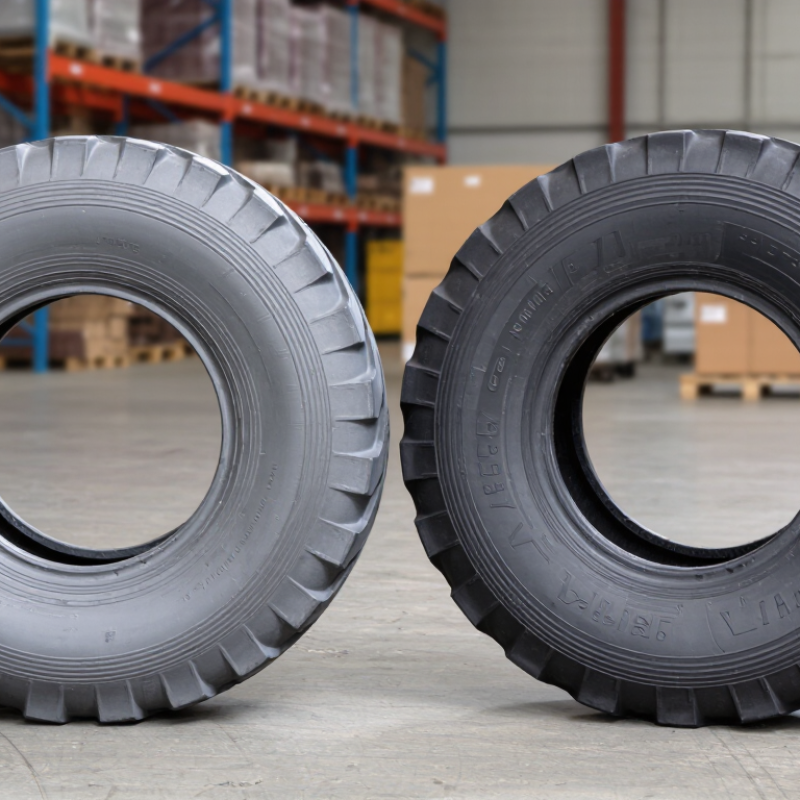
Non-marking lift tires use light-colored rubber compounds designed to reduce dark streaks on sealed floors. They suit warehouses, hospitals, and finished indoor surfaces. “Non-marking” does not mean mark-proof: dust, worn rubber, or a tight turn can still leave scuffs. Foam-filled tires start as pneumatic tires, then receive a polyurethane fill that helps prevent punctures and flat-related downtime. They are heavier and usually absorb bumps less softly than air-filled tires. A trade-off.
The right choice depends on the floor and the machine’s duty cycle. On smooth concrete, non-marking tires may protect the finish, while foam filling can help where sharp debris threatens tires. But extra weight and reduced cushioning can affect ride quality, heat, and equipment limits. Check the lift’s load rating and tire specifications before changing types. OSHA’s Powered Industrial Trucks guidance estimates about 34,900 serious forklift injuries each year in the United States. That figure is not tire-specific, but it underscores why stable handling and routine checks matter. Inspect for chunks, uneven wear, and embedded debris; a clean-looking tire can still have damage. Industry guidance is useful, but the actual floor tells its own story.
Typical trade-offs on a relative 1–5 scale, where 5 is more of the stated characteristic. Non-marking describes a tire compound designed to reduce floor marks; foam-filled describes a pneumatic tire filled to resist flats. Foam-filled tires are not automatically non-marking. Actual performance varies by tire design, floor, and operating conditions.
On polished concrete, sealed floors, or finished warehouse aisles, non-marking lift tires help prevent dark streaks during routine travel. Their compounds are designed to reduce black residue, which standard tires may leave as they flex and wear. That matters. A pale floor can show even light scuffs near tight turns, loading bays, and charging areas.
Foam-filled tires solve a different problem: they resist punctures and reduce downtime around sharp debris. Foam filling alone does not mean a tire is non-marking. Check the tire’s material and the lift manufacturer’s specifications before choosing a set.
Even non-marking tires can drag grit across a floor or leave faint marks when overloaded, worn, or turned sharply in place. Keep the tread clean, inspect it for embedded chips, and avoid pivoting on delicate surfaces when possible. Small habits help.
A test run on an inconspicuous patch is sensible, though it cannot predict every floor condition. The honest answer is that tire choice helps protect floors, but housekeeping and careful operation matter too.
Foam-filled lift tires resist flats by replacing the air inside a pneumatic tire with polyurethane elastomer. A nail may pierce the tread, but there is no pressurized air chamber to empty. The machine can often keep moving, reducing interruptions on debris-strewn construction floors. The U.S. Occupational Safety and Health Administration’s aerial-lift guidance includes tires and wheels in pre-use inspections; foam filling does not remove that check. Look for cuts, exposed cords, loose chunks, and uneven wear.
There is a trade-off. Foam adds weight and makes the ride firmer, so bumps can travel through the chassis and platform. That matters on rough concrete, especially when workers carry tools near the platform’s rated limit. OSHA’s 29 CFR 1910.67 requires aerial lifts to be used within their rated capacity; operators should account for the tire assembly when checking equipment specifications. Foam-filled tires can also be harder to repair than air-filled tires. A puncture may not stop the shift, but sidewall damage still deserves attention. It is easy to underestimate that difference. Check the lift maker’s tire and fill specifications, then match them to the surface, load, and indoor marking requirements.
Which Lift Tires Are Best Non Marking or Foam Filled?
Non-marking and foam-filled describe different tire features. Non-marking refers to a tread compound designed to reduce dark floor scuffs. Foam-filled describes a pneumatic tire filled with foam instead of air. Some approved setups combine both. Check the lift’s specifications before choosing.
On clean indoor concrete, non-marking tires can protect floors and usually keep the lift’s original ride feel. They still wear down, and grit caught in the tread can leave marks. Foam filling helps prevent punctures and removes pressure checks, which can be useful around sharp debris. The trade-off is extra weight and a firmer ride. Not always ideal. Added weight may affect handling or lift capacity, so confirm compatibility with the equipment documentation.
Maintenance differs, but neither option is maintenance-free. Inspect non-marking tires for cuts, uneven wear, and embedded debris; pneumatic versions still need pressure checks. Foam-filled tires do not need inflation, but cuts, chunking, and uneven wear still matter. Easy to miss. If the floor is delicate, test a small area first: tire compounds and floor finishes can behave differently in real conditions.
Choosing the right lift tire starts with the floor, not the tire label. On polished concrete, painted floors, or finished warehouse aisles, non-marking tires can help reduce visible scuffs. Check the tire specification, though; “non-marking” does not mean it can never leave a mark. Dust, oil, and tight turns can still affect the surface.
Foam-filled tires suit rougher sites where punctures could interrupt work. They resist flats from sharp debris and may reduce downtime, but added weight can affect handling and the lift’s rated capacity. Confirm compatibility in the equipment manual or with a qualified service provider. Foam filling is not automatically the better choice.
Think about the whole worksite. Indoor lifts may need non-marking tires and enough traction for smooth concrete. Outdoor work over gravel, broken pavement, or scattered fasteners may favor foam-filled tires, if the machine allows them. Measure access routes and consider turning space, floor condition, load, and travel distance. Small details matter. A tire that protects against punctures may still be wrong for a delicate floor. The trade-off is not always neat, so match the tire to the surface you use most and the risks you actually face.
These tires use light-colored rubber compounds designed to reduce dark streaks on sealed floors. They are not completely mark-proof. Dust and tight turns can still leave scuffs.
Polyurethane fill replaces the air inside a pneumatic tire. A small nail may pierce the tread without causing an air leak. Still inspect the tire.
Some approved setups combine both features. Check the lift’s tire specifications before choosing one.
Non-marking tires may help protect a finished floor while keeping the original ride feel. Grit in the tread can still leave marks. Test a small area.
They can reduce flat-related downtime around sharp debris, such as on a rough work floor. The added weight and firmer ride may not suit every lift.
Yes. Look for cuts, loose chunks, exposed cords, and uneven wear. No air checks, but damage still matters.
Yes. Added tire weight and reduced cushioning may affect handling and equipment limits. Confirm compatibility with the lift’s specifications. Easy to overlook.
Yes. Check for cuts, embedded debris, and uneven wear. Pneumatic versions also need pressure checks. Clean-looking tires can still be damaged.
Which lift tires are best: non-marking or foam-filled? The answer depends on your floor, work environment, and priorities. Non-marking tires are designed to reduce scuffs and dark marks on indoor surfaces, making them a practical choice for warehouses, showrooms, and other clean indoor spaces. Foam-filled tires, by contrast, are solid-filled to resist punctures and reduce downtime in areas where sharp debris or rough ground may be a concern.
The two types differ in performance and upkeep. Non-marking tires help protect floors but may need more frequent inspection for wear, while foam-filled tires offer reliable flat resistance but can affect ride comfort and handling. Before choosing, consider the lift’s requirements, the condition of the worksite, the surfaces it will travel across, and how important floor protection, comfort, and maintenance are to your operation.

Kathy lift